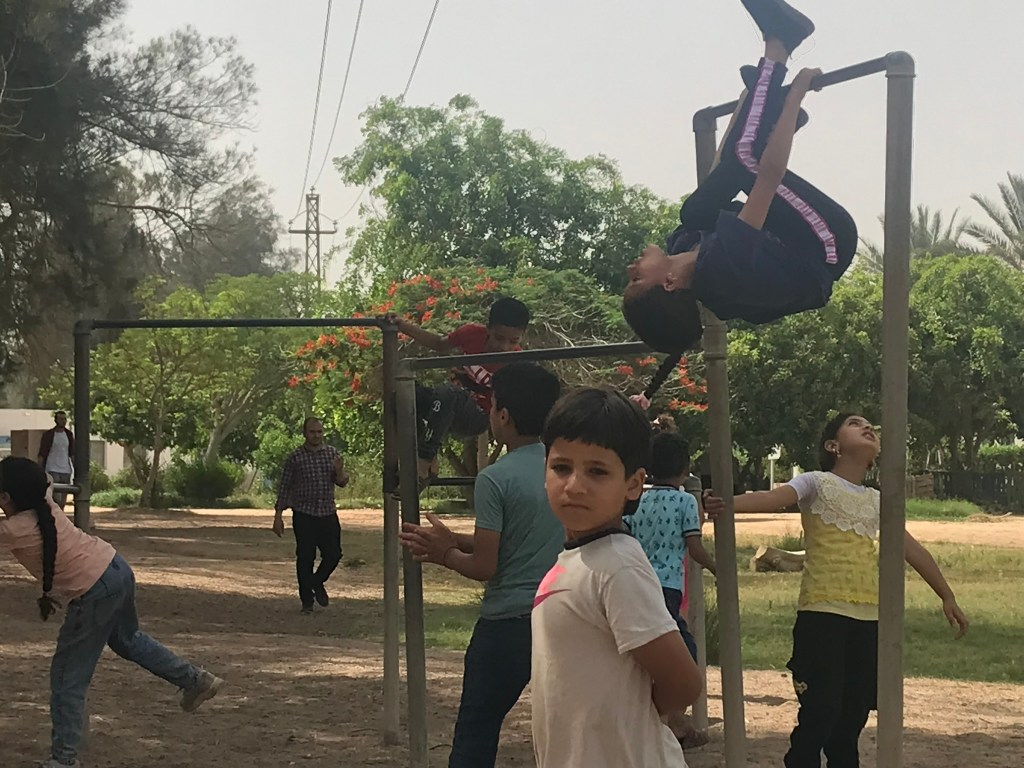
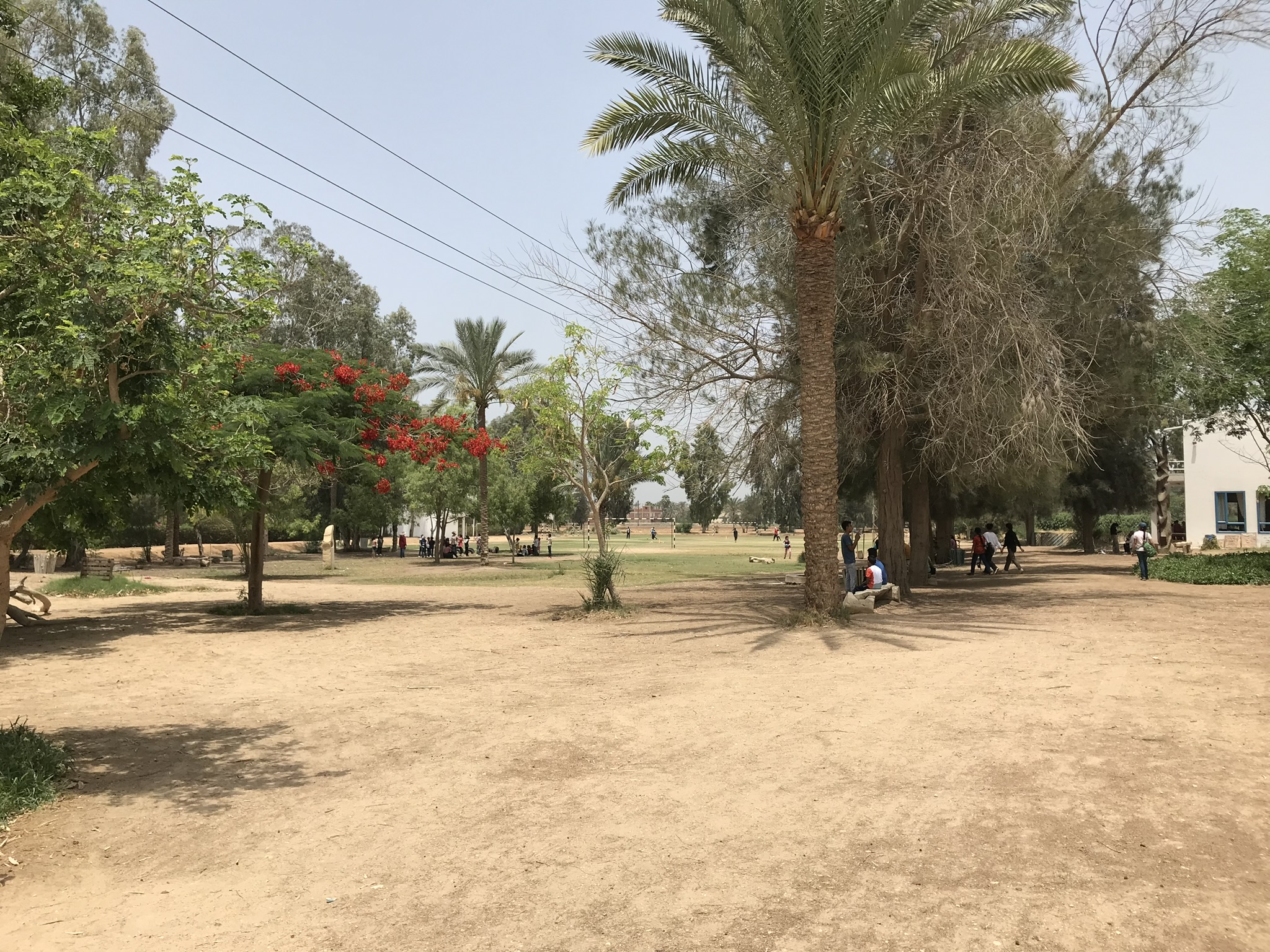
The Sekem School, located about 60 km northeast of Cairo, is part of the Sekem Community, founded in 1989. This initiative was born out of a vision for sustainable and holistic development in Egypt, based on anthroposophical principles applied to diverse fields such as biodynamic agriculture, pharmacology, and education. Over the years, Sekem has established itself as a unique transformative force, sowing seeds of change that continue to flourish to this day.
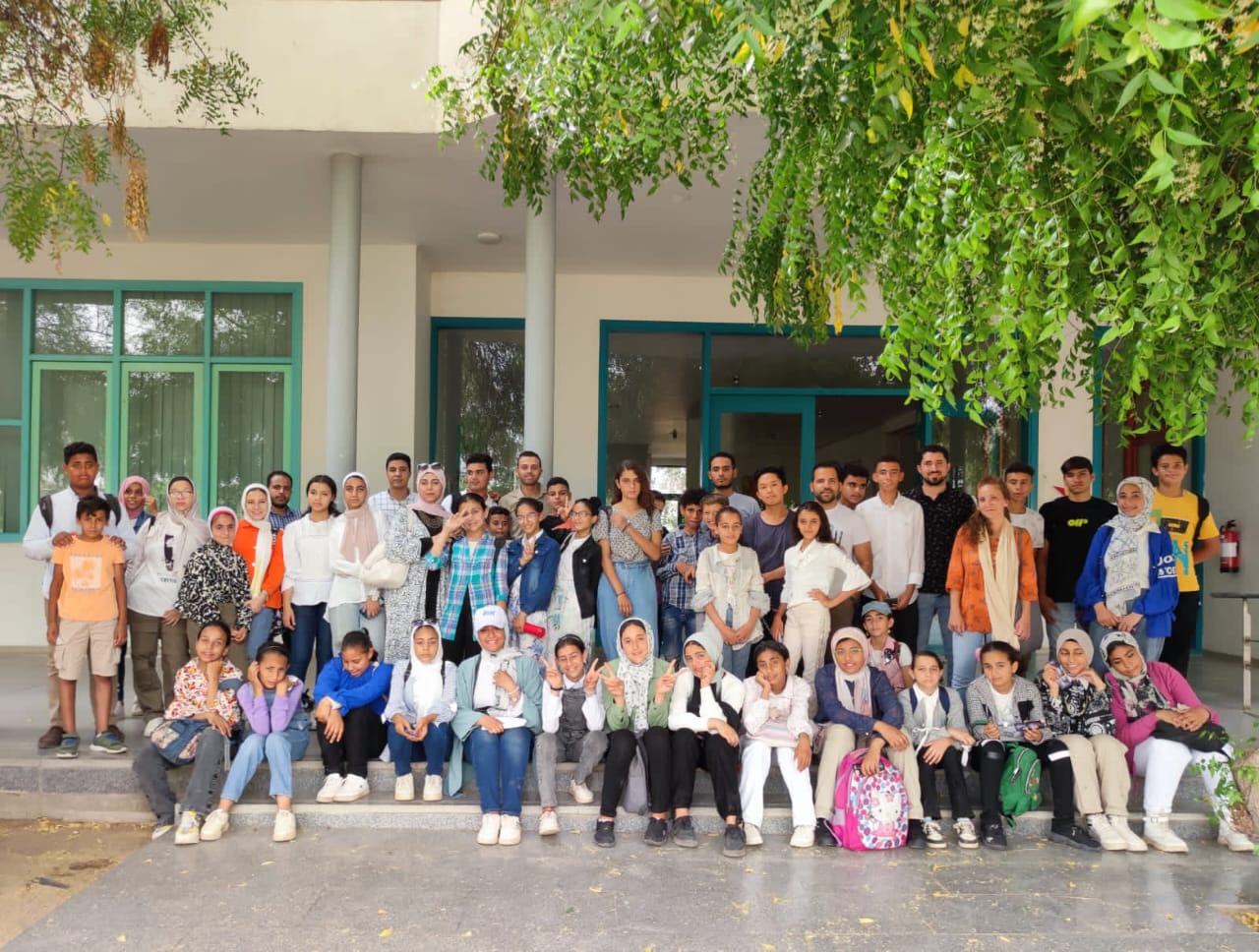
In July 2023, I participated in an immersion at Sekem, with a special focus on working with teachers during the school’s summer program. My aim was to understand the community’s dynamics and foster social learning interventions. Gradually, new conscious impulses emerged, nurturing my actions and revealing a potential movement that grew over time. Day by day, I connected more deeply with the community, finding spaces for meaningful exchanges and shared experiences.
Together, we built a space of trust that enabled open discussions about the strengths, challenges, and opportunities for improving pedagogical practices. In our meetings, shared reflections went beyond lesson planning, focusing instead on the care and cultivation of healthy attitudes among teachers and students.
As an educator, I believe that self-development is essential to the role of the educator. It is through this quality of presence that pedagogical development becomes alive and meaningful. This was the core message I sought to convey. While dedicating myself to cultivating this presence, I experienced many internal processes and transitions. It was a time of few words, yet one that manifested in other forms and with a different quality. Perhaps I can call it a series of steps unveiling a new inner vision — a gift that could only have come from the lands of Egypt.



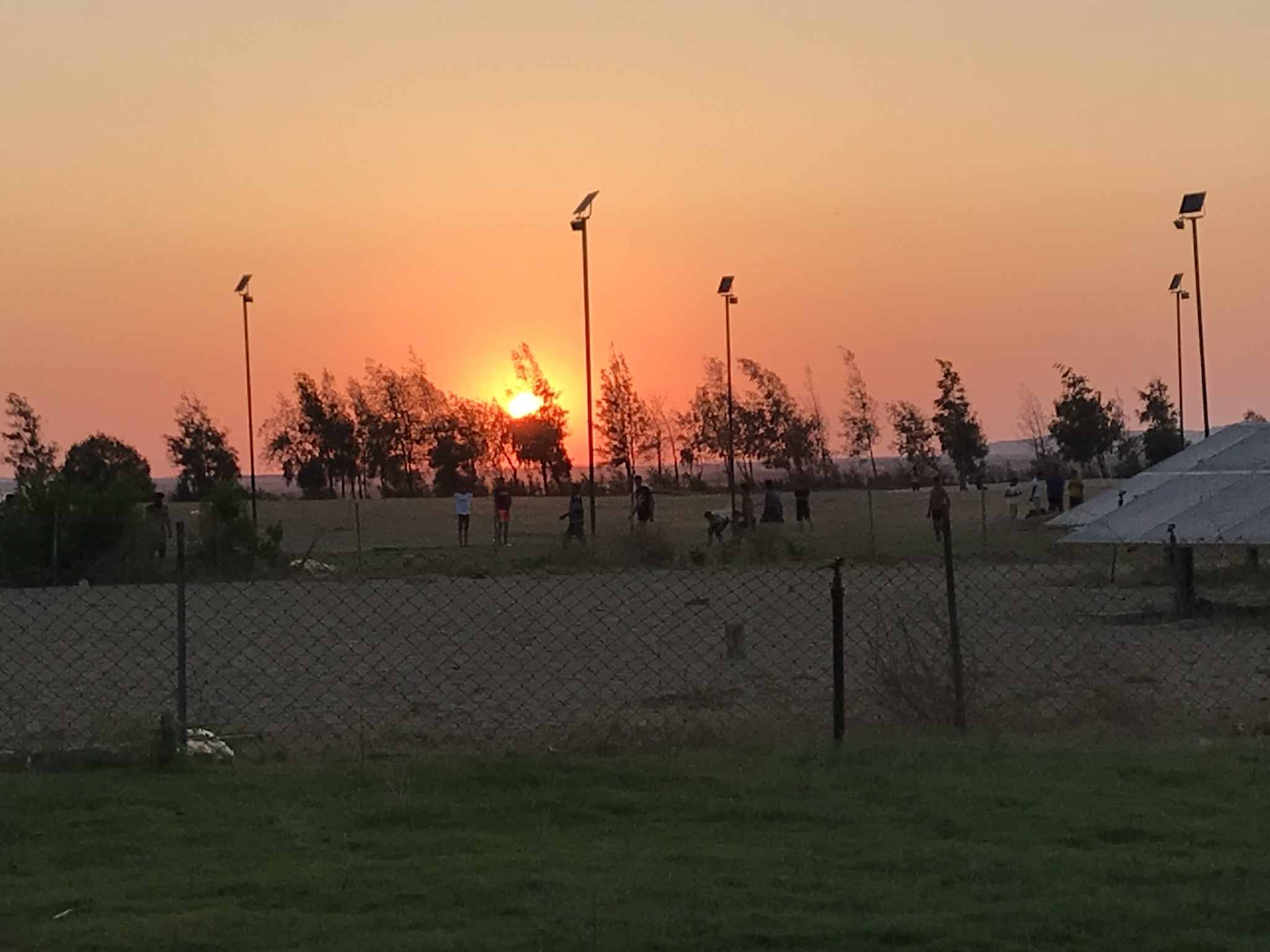
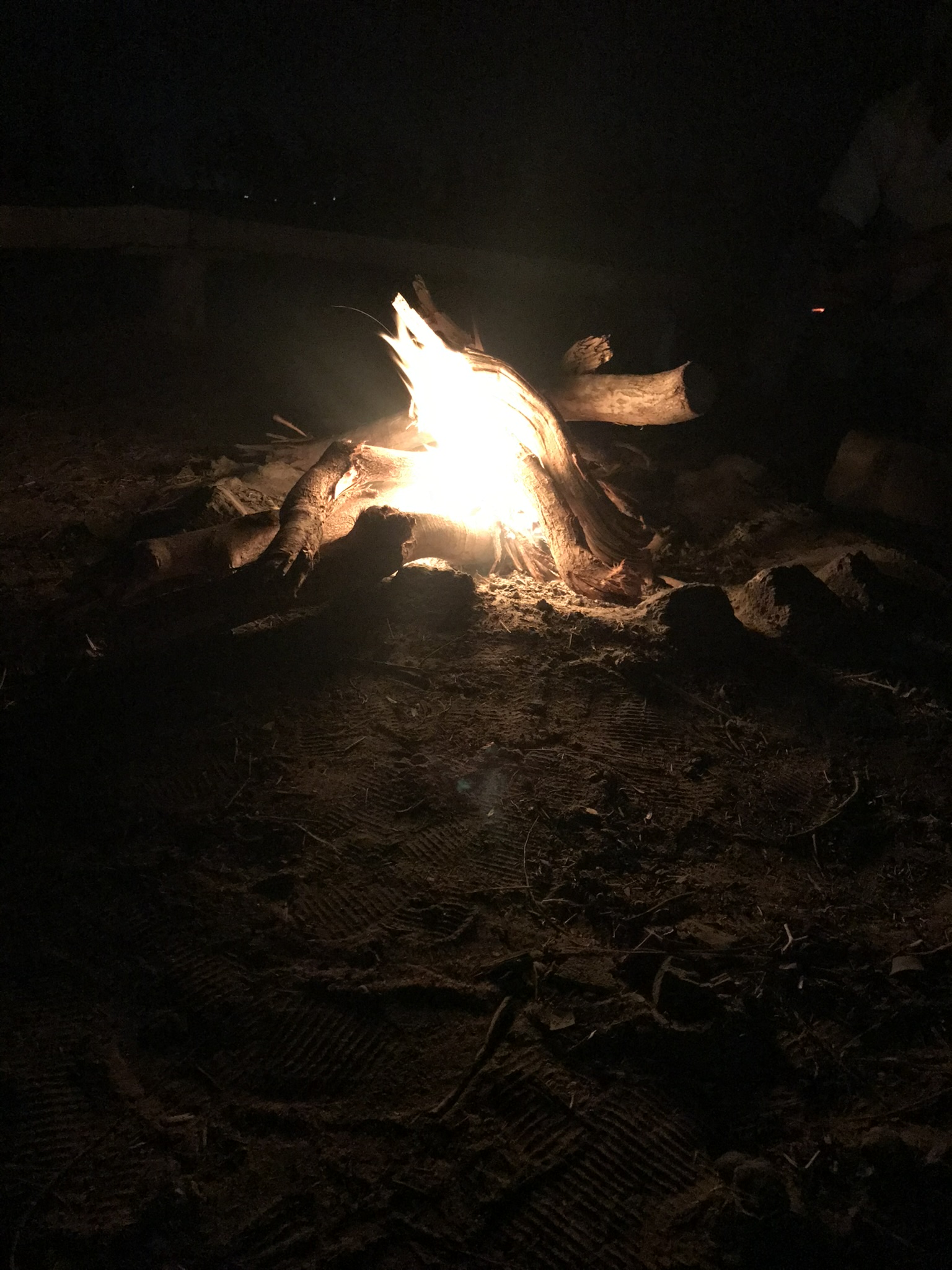
Thoughts from my reflection journal
What eyes do I use to see? What senses guide my vision? What do I see, and what remains unseen?
To see from the outside and from within. It is from within that true vision emerges, flowing outward.
It is not only about observing what I am doing, but about seeing who I am and who I am becoming.
Here, within myself, I find shelter. And thus, I flow with life.
It is necessary to transform images and preconceptions. Not to see only what one wishes to see.
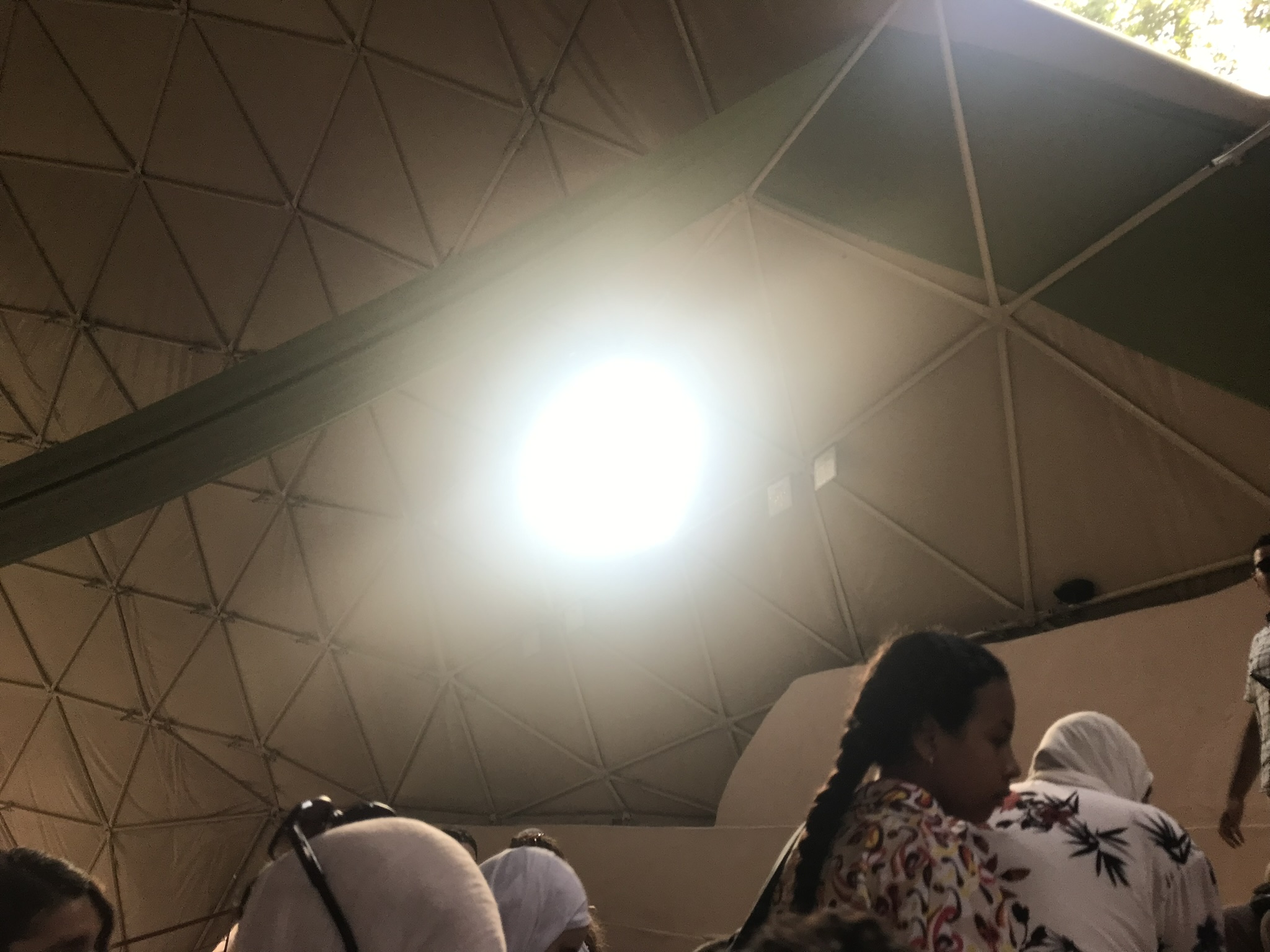
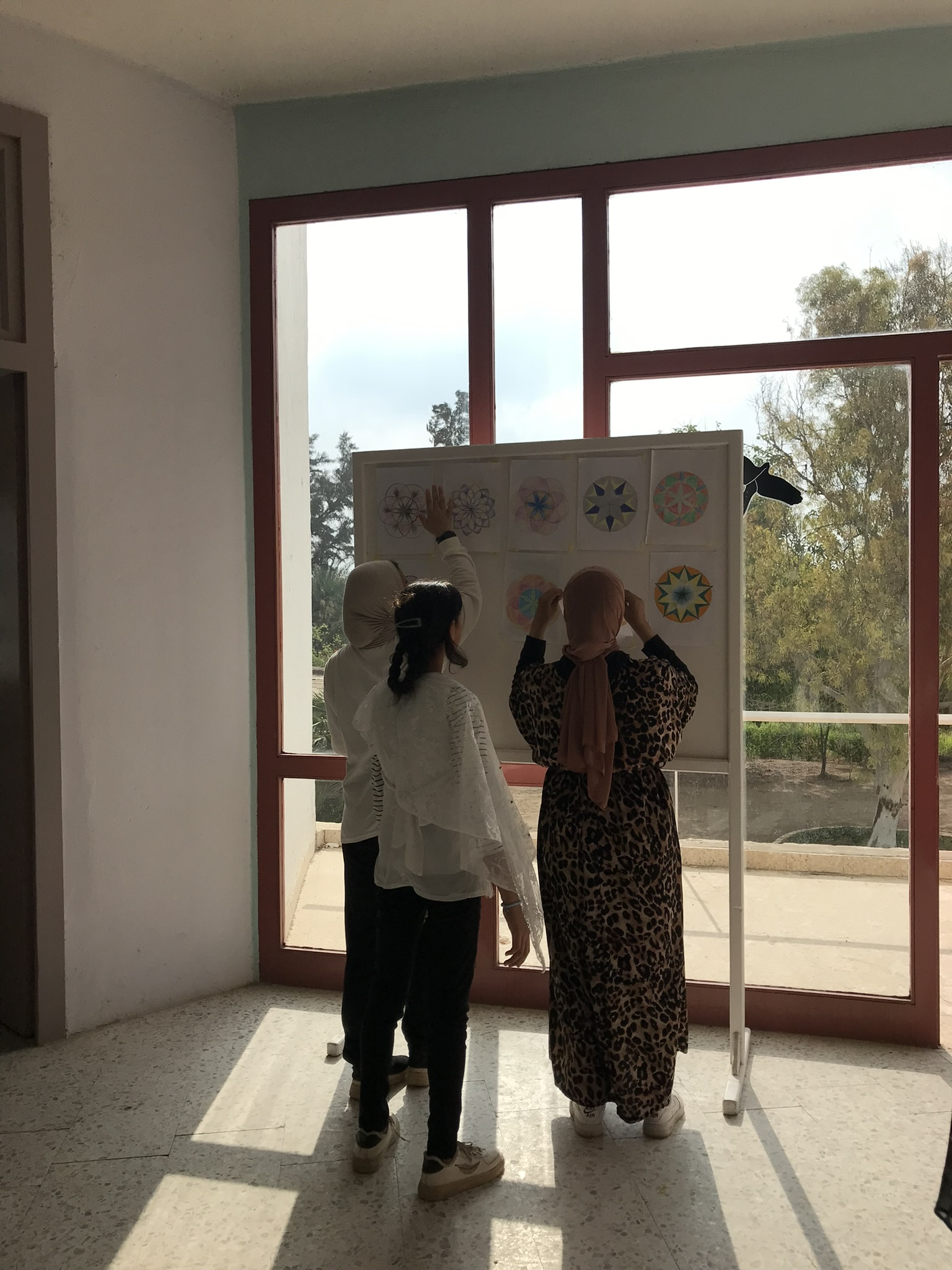
To face the lack of full awareness, to leap into the unknown, to listen more than speak. To serve without name, to be the message rather than the author. To be the inner rather than the outer. To be essence. To be the light streaming through the window.
It is a matter of perceiving reality. What is the reality before my eyes?
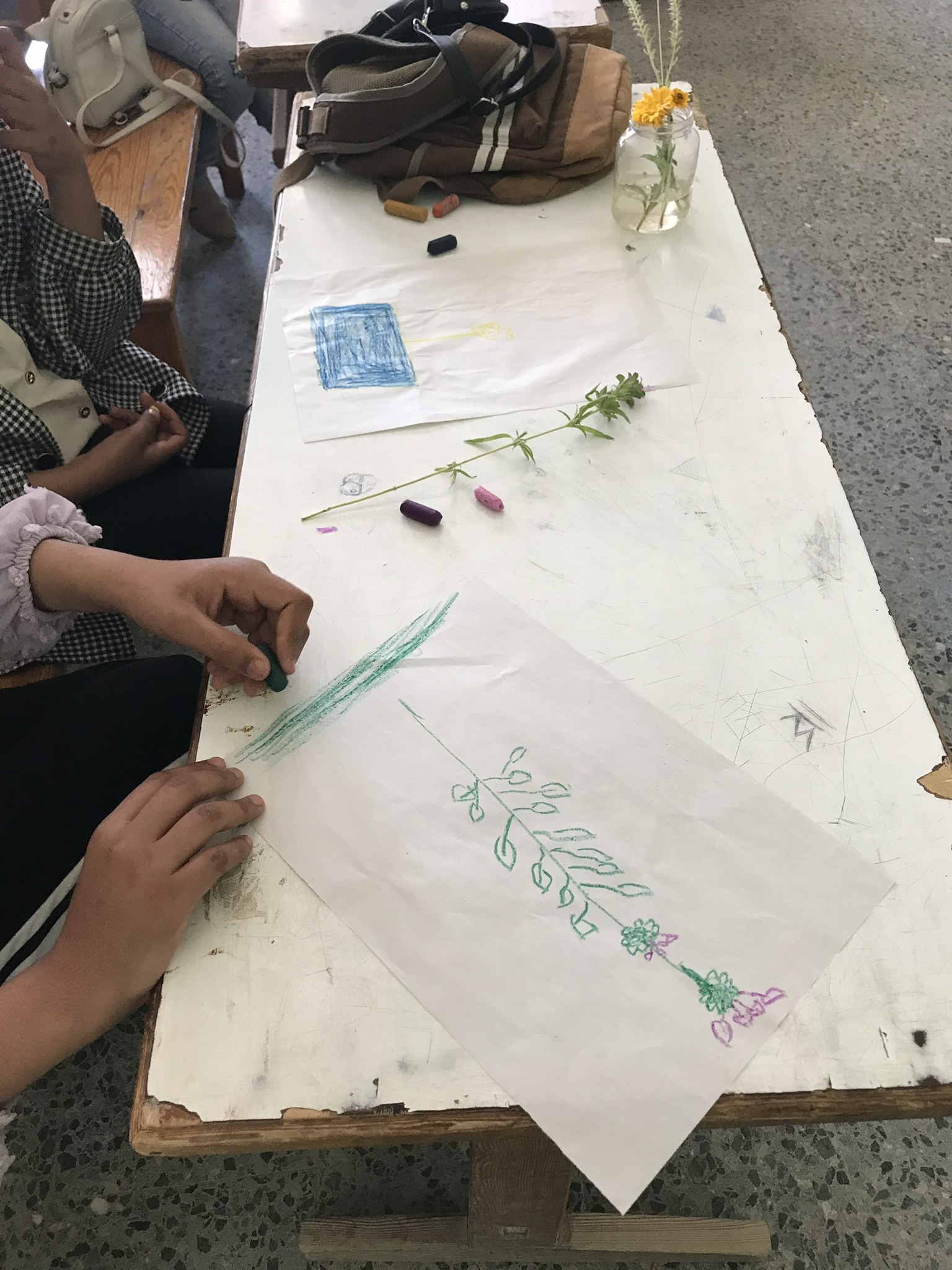
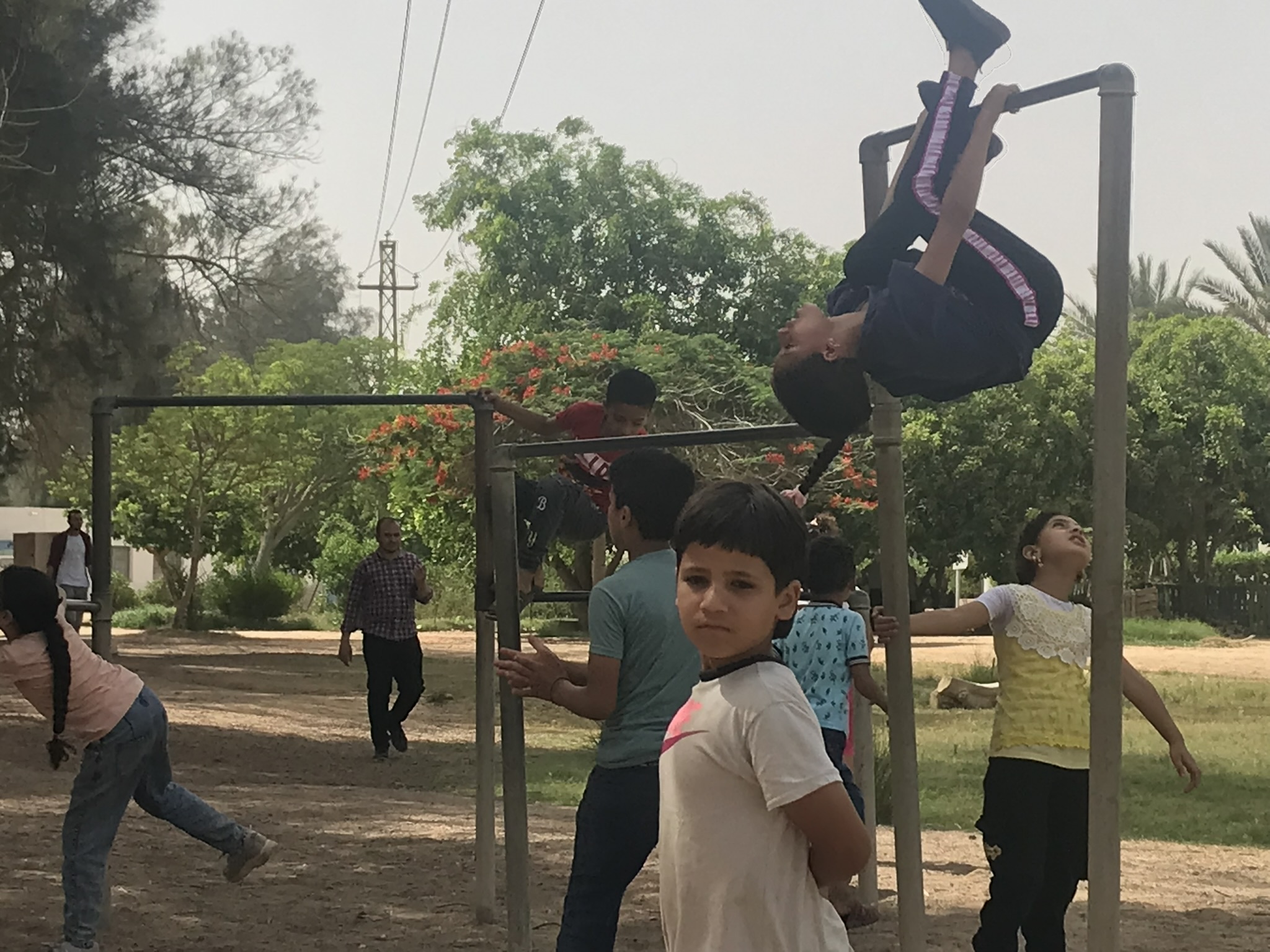
I learned from the children to listen, to serve, to be present.
One day at school, a child saw me, walked toward me, and placed my hands directly on her chest so I could feel her heartbeat. Her wide eyes looked into mine and spoke to me. Then, she pointed to the freckles on my skin, as if she were gazing at stars.
This reminded me of a moment before I traveled to Egypt when I met my history of culture professor. He traveled the world, documenting what he observed.
He spoke of the meaning of culture as life manifesting in harmony with nature. An organic principle. Humanity and the cosmos in balance.
And something struck me when he said:
“The human being lives in the body as in a house they inhabit.”
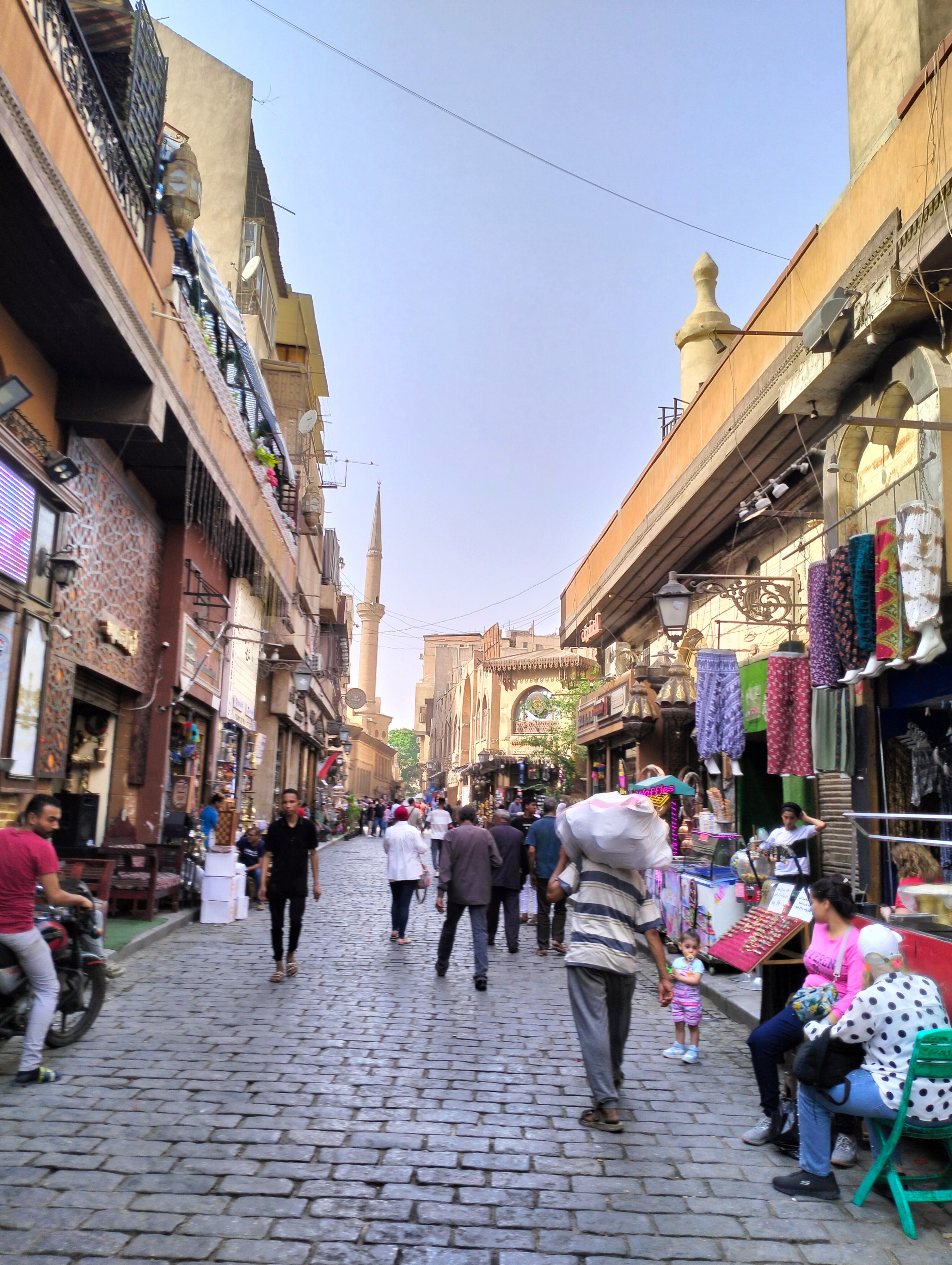
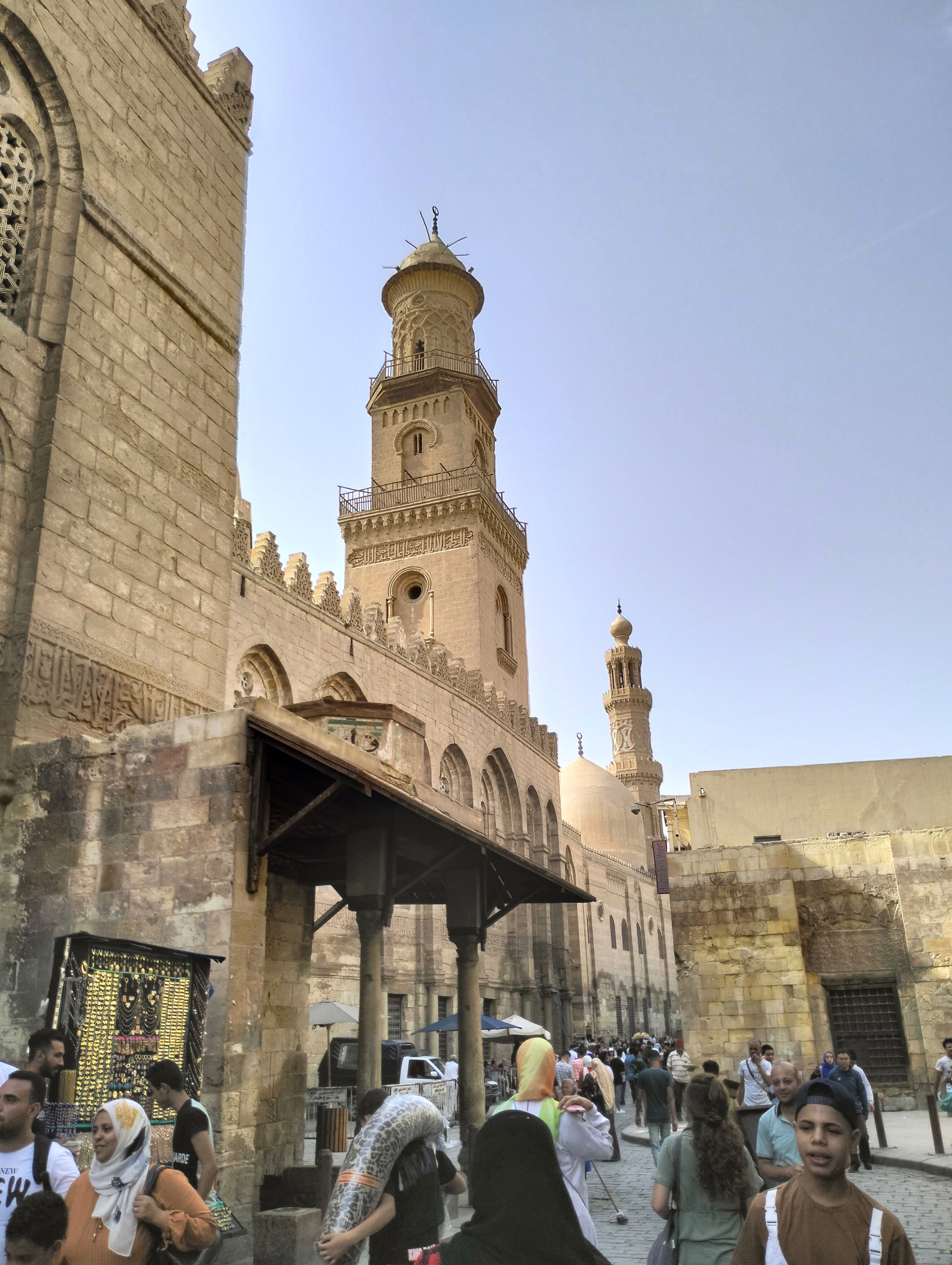
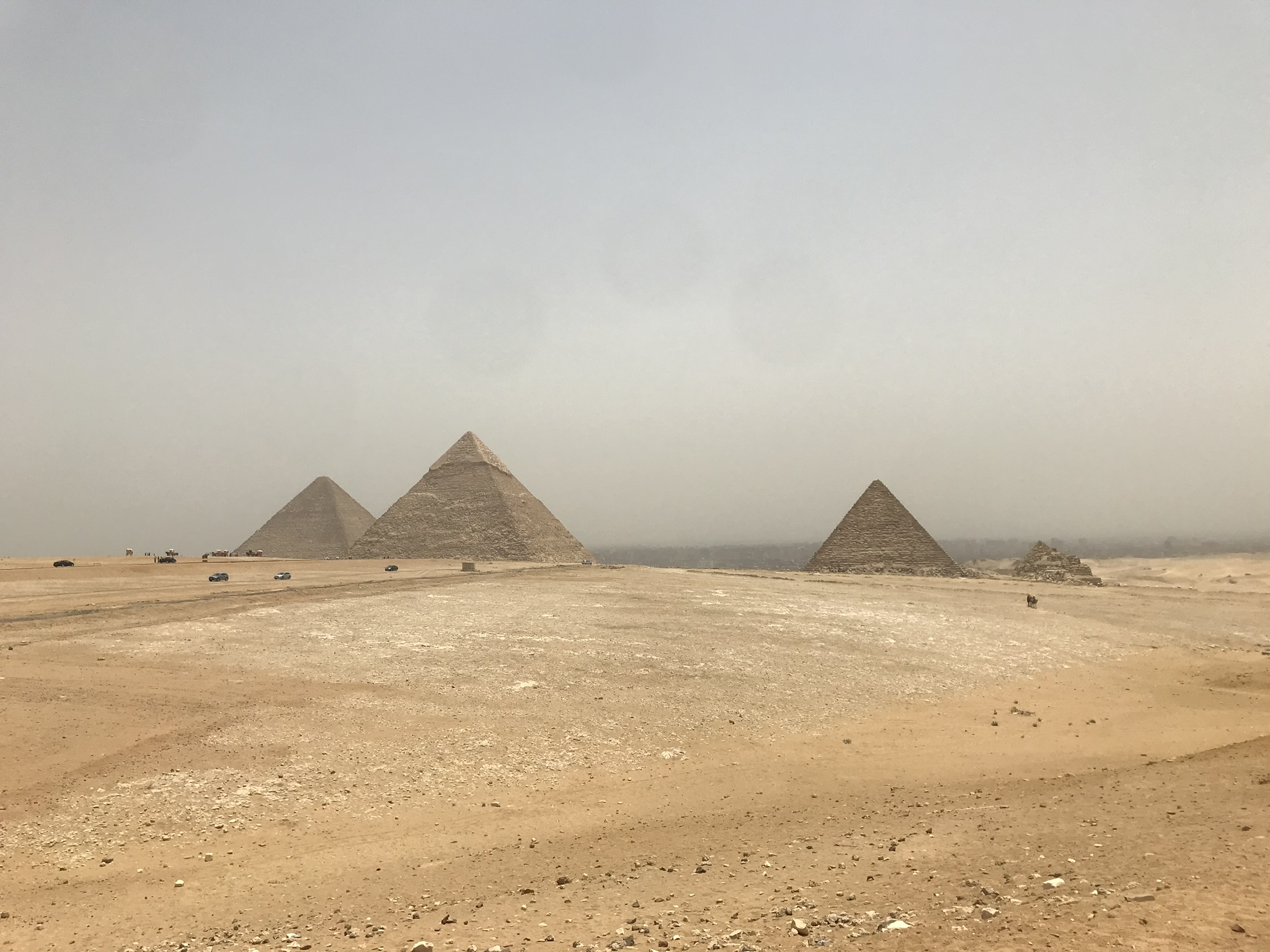
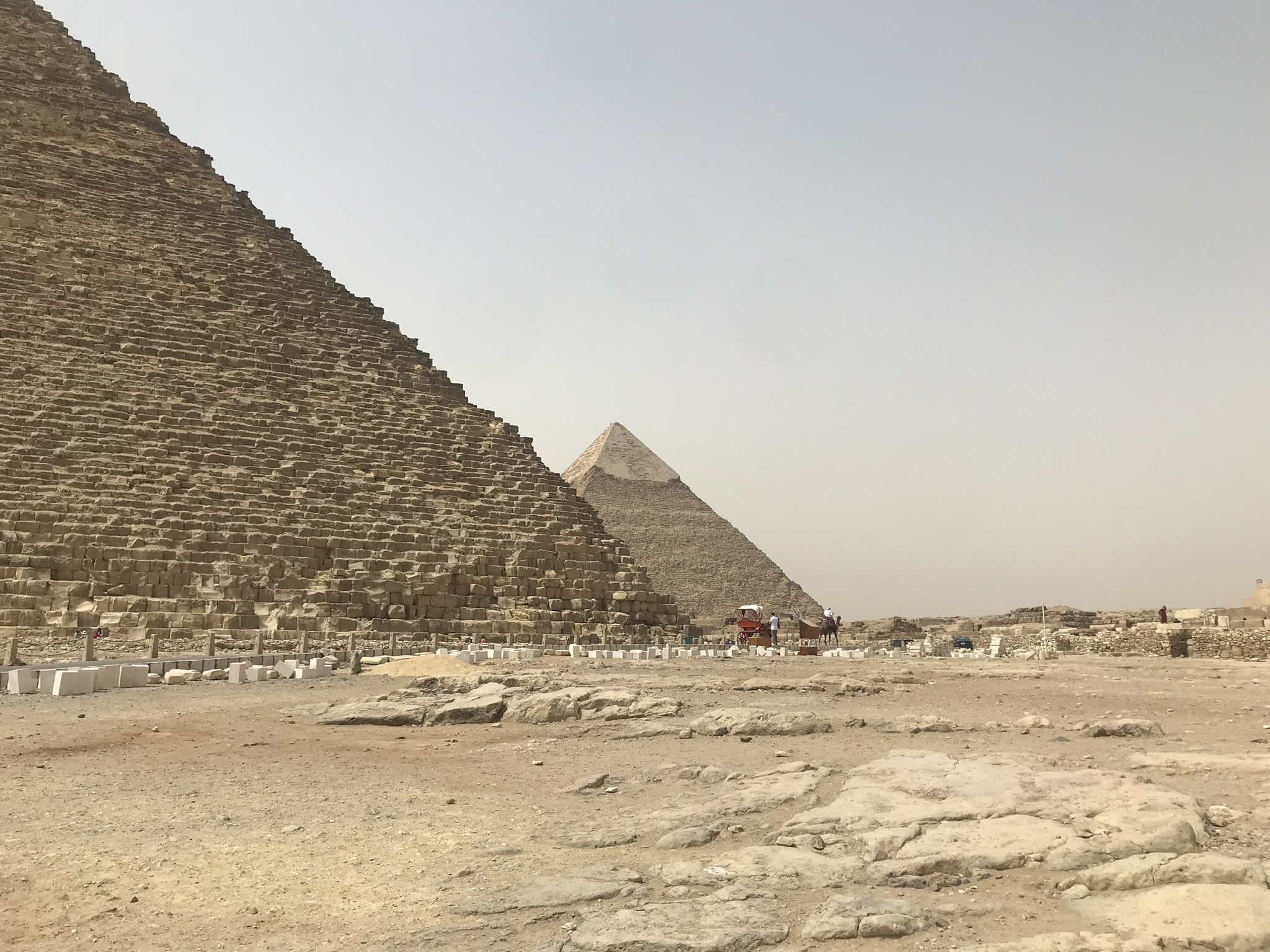
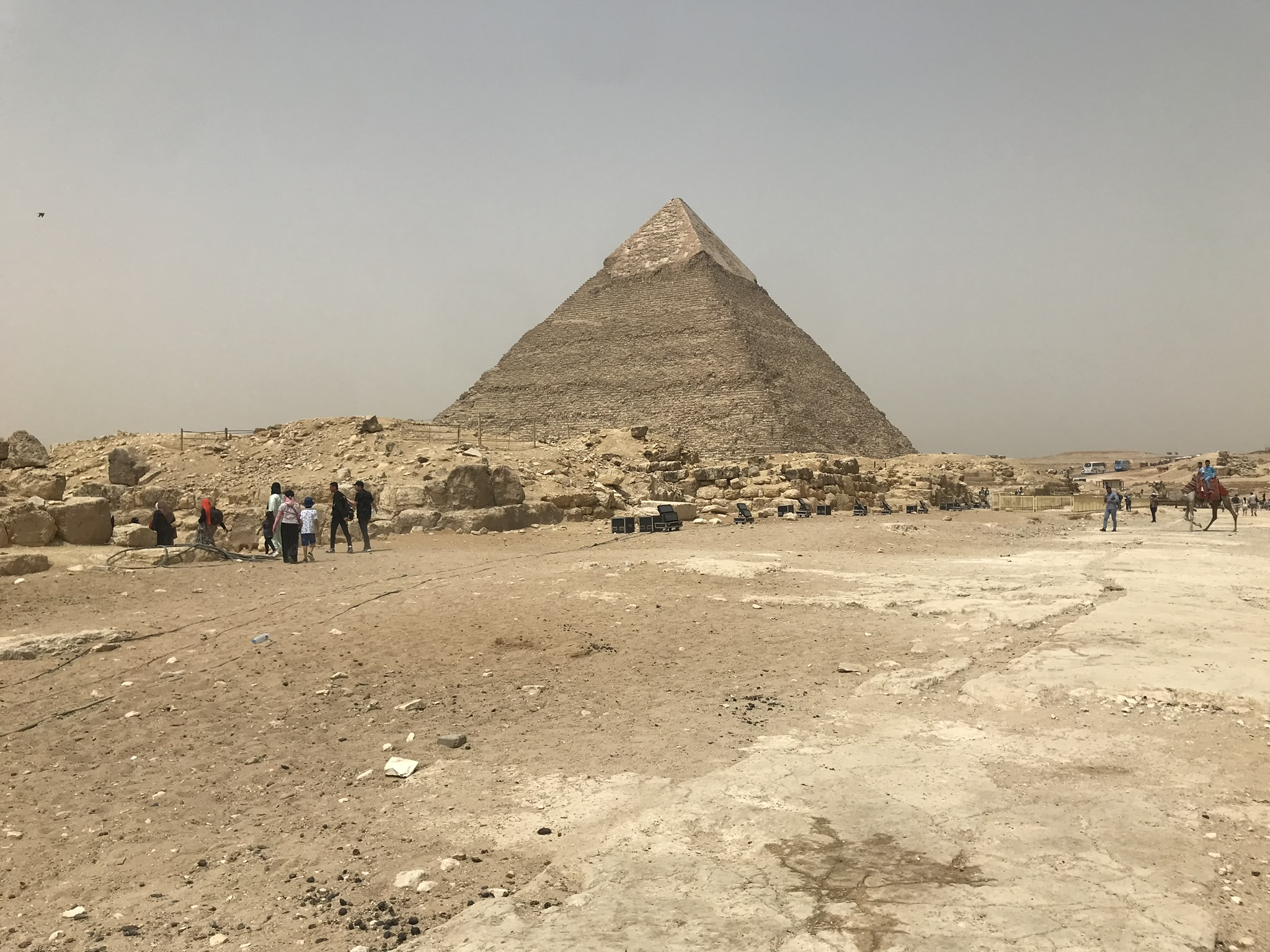
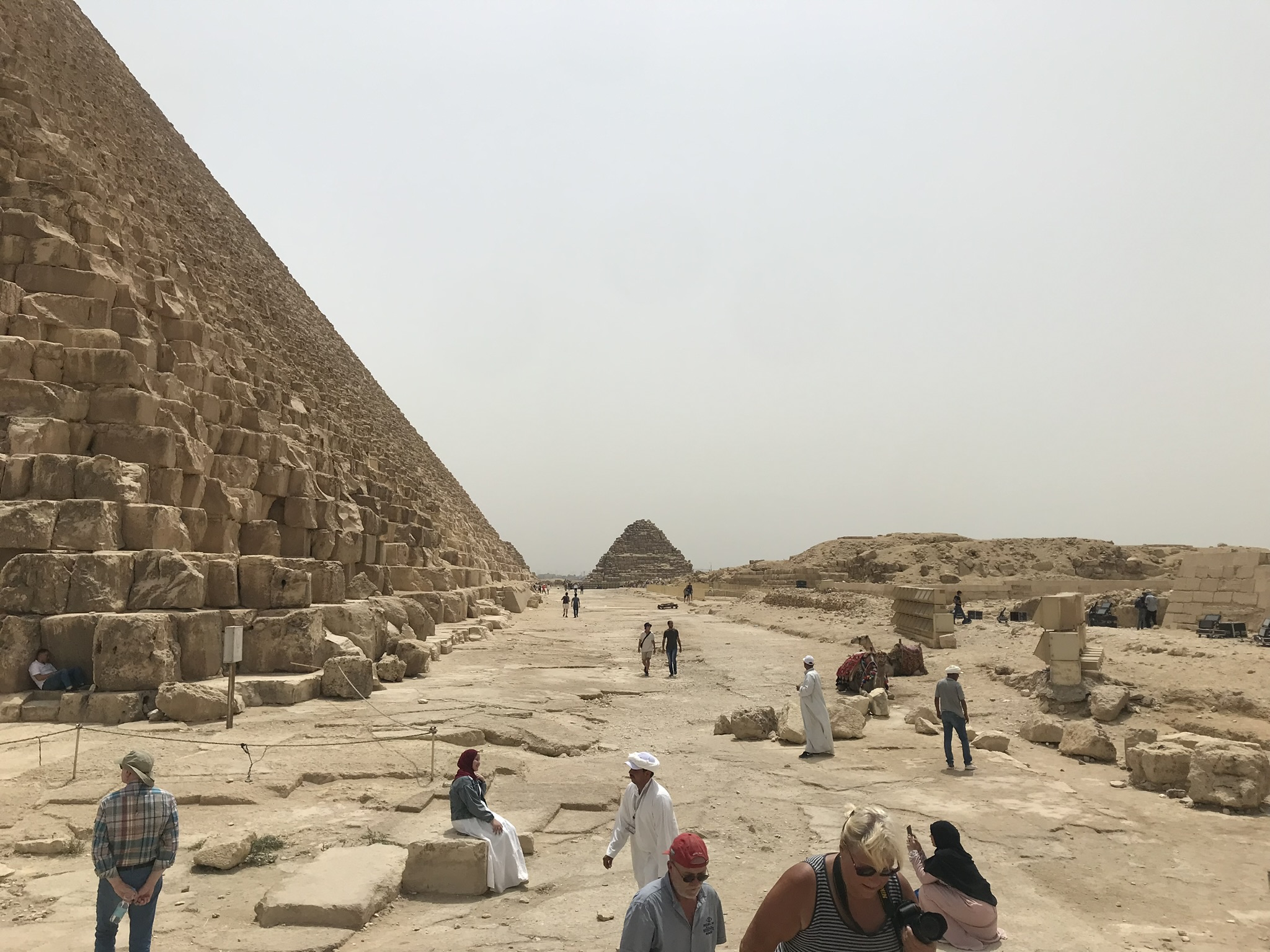
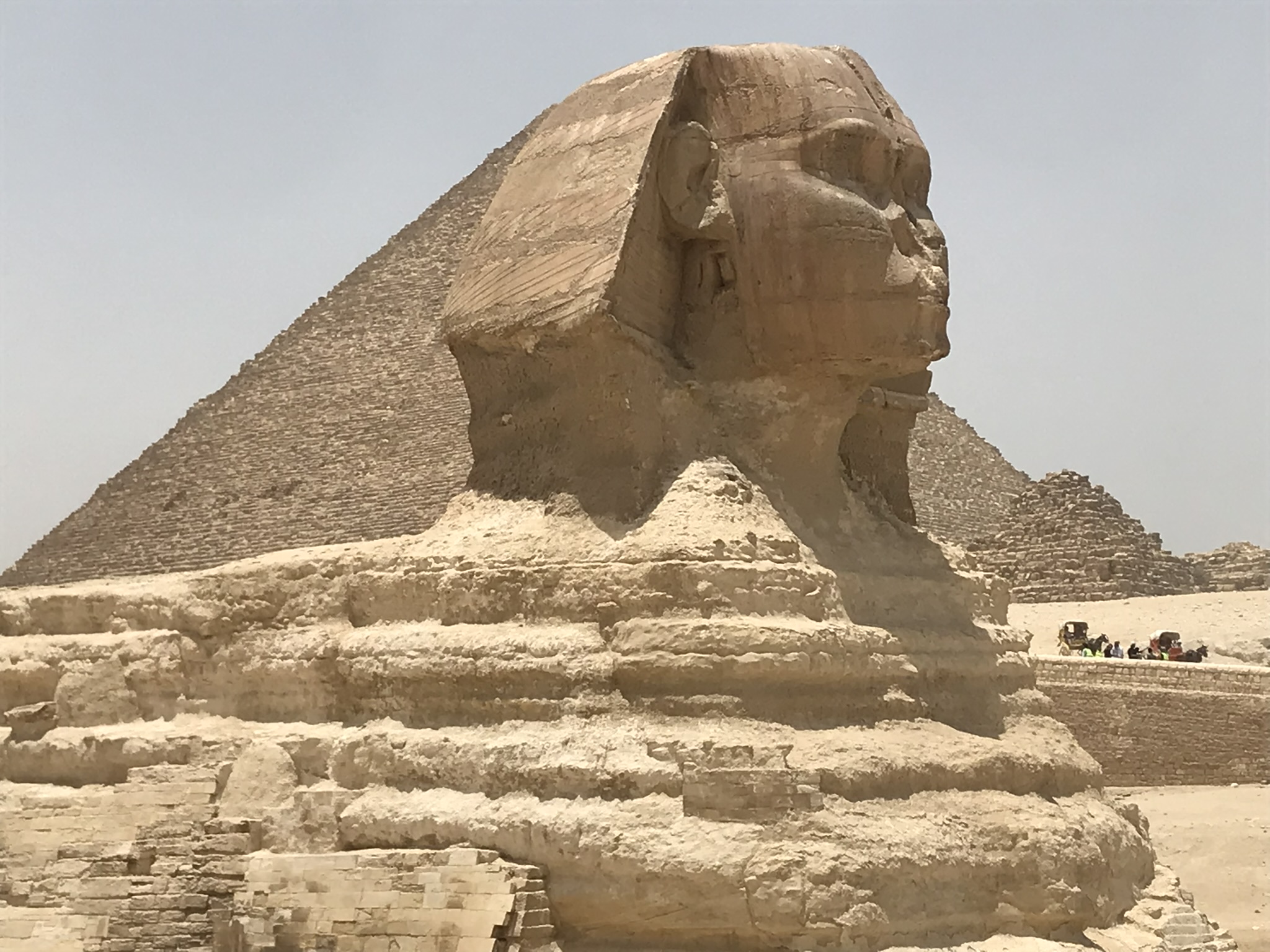
We talked about the culture of ancient Egypt and its attempt to read and understand life: the Hermetic laws and the connection with “higher beings” as inspiration for a people to create and materialize; Egyptian geometry and the pyramids revealing the metamorphosis of the world; and finally, the “essence” of the human being, born of the contrasts and movements of nature itself: light and darkness, day and night, high and low, head and heart, new and old, God and human, life and death.
In this exercise of seeing, for the Egyptian people, it came down to this: for those who could see, the world always revealed itself in repetition; but for what could not be seen, only intuition could unveil it.
 verase(si)